

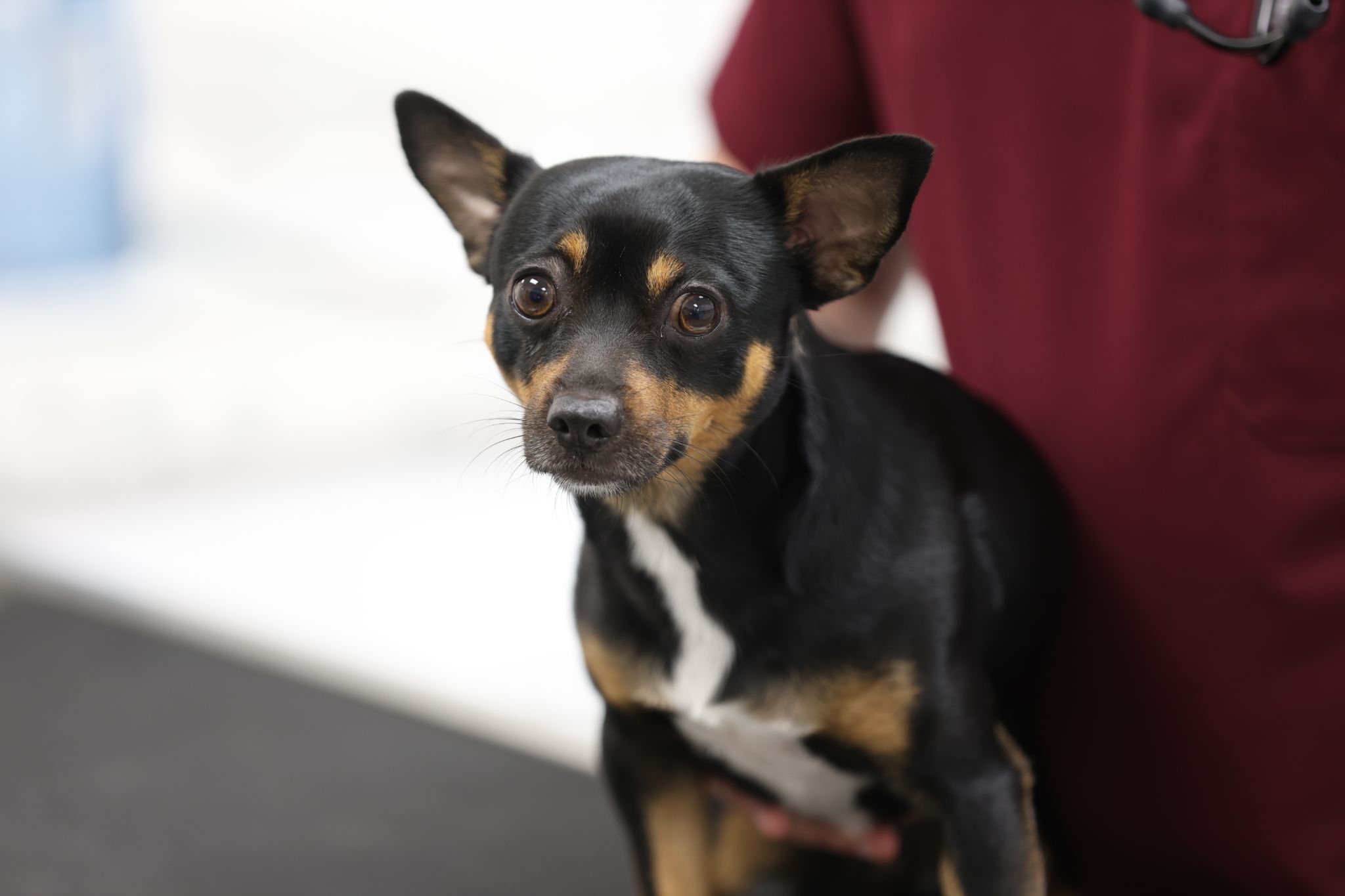
Bringing a new pet home is one of the most exciting things a family can do, and scheduling that first vet visit is one of the most important steps that follows. But for many pet owners, it also comes with a quiet worry: what if my pet is scared? What if they panic in the car, freeze in the waiting room, or make the whole experience miserable for everyone involved? Those concerns are completely valid, and the good news is that a little preparation at home goes a long way toward making that first visit go smoothly for your pet and for you.
At Your Family Veterinarian, Dr. Morales and Dr. Fernandez built this practice around the belief that pets deserve to feel safe, not just treated. We actively use fear-free techniques during every visit and are working toward full Fear Free Certification, because we know that a calm pet is a healthier pet. Our new puppy and kitten care program is designed with this in mind, giving your newest family member the most positive start possible from the very first appointment.
Start at Home, Before the Appointment
The foundation of a good vet visit is built at home, not in the exam room. One of the most effective things you can do for a cat is to make the carrier a normal, comfortable part of their daily environment. Leave it out with familiar bedding inside, place treats near or inside it regularly, and let your cat explore it on their own terms. When the carrier only appears right before a stressful trip, cats quickly learn to associate it with anxiety, and that stress begins long before they ever arrive at the clinic.
For dogs, the same principle applies to car rides. If the only time your dog gets in the car is to go somewhere unfamiliar, rides naturally become a source of tension. Taking short, low-stakes trips around the neighborhood — paired with calm praise and treats — helps your dog build a more neutral association with travel. According to the American Animal Hospital Association, practicing gentle handling at home is equally valuable. Gently touching your pet’s paws, ears, and mouth during relaxed moments, and pairing that handling with treats or praise, prepares them to tolerate the kinds of contact that happen during a physical exam.
What to Bring and What to Expect
Walking in prepared makes the experience easier for everyone. If your pet came from a shelter or breeder, bring any health records, vaccination history, or documentation you received. If your pet has been on any medications, supplements, or a specific diet, write those down ahead of time so you don’t have to remember on the spot. A list of questions is also worth putting together before the appointment, since it’s easy to forget things once you’re in the exam room.
On the day of the visit, consider withholding food for a couple of hours beforehand if your pet tends toward car sickness, and bring high-value treats your pet loves. Familiar smells are comforting, so tucking a worn t-shirt into a carrier or wrapping your dog’s leash around something familiar can help. Arriving a few minutes early gives your pet time to acclimate rather than rushing straight from the car into an exam room. If your pet seems particularly anxious in the waiting area, it’s completely appropriate to ask the front desk whether you can wait outside or in a quieter space until an exam room is ready.
Your first visit will likely cover a full physical exam, a conversation about wellness care, and the start of your pet’s vaccination schedule. It’s also an ideal time to raise any early behavioral questions you may have. If you’ve noticed signs of anxiety, reactivity, or other concerns, our team can connect you with resources, including pet behavioral consultations when appropriate.
Making It a Positive Experience
The goal of a first vet visit isn’t just to get through it. It’s to set a tone. Pets that have a positive early experience are much more likely to remain calm during future visits, which makes ongoing care easier and less stressful for everyone involved.
Stay calm yourself throughout the process. Pets are remarkably tuned into their owners’ emotions, and an anxious owner can amplify an already nervous pet’s stress. Speak in a steady, reassuring tone, reward your pet generously for good behavior, and avoid the urge to over-coddle, which can inadvertently signal to your pet that there is something to worry about. After the visit, end on a positive note with a walk, extra playtime, or a special treat so your pet’s lasting memory of the day is a good one.
Your Family Veterinarian: Where Every Visit Starts with Care
Your pet’s first vet visit deserves a team that takes both their physical and emotional wellbeing seriously. Dr. Morales and Dr. Fernandez lead a practice that genuinely loves animals, utilizing the most advanced tools available and holding themselves to the highest standards in veterinary medicine. Our compassionate veterinary staff is trained in fear-free handling techniques and committed to making every visit, especially the first one, feel as calm and welcoming as possible for pets and their families.
If you’re ready to schedule your pet’s first appointment or have questions about what to expect, we’d love to hear from you. Request an appointment today and let us show you what stress-free veterinary care looks like.