

If your pet trembles at the sight of a carrier, hides under the bed when it’s time to leave for the vet, or takes hours to calm down after an appointment, you already know that veterinary stress is real and that it affects far more than your pet’s mood. What many pet owners don’t realize is that chronic stress during vet visits can actually interfere with a pet’s physical health, skew diagnostic results, and even cause some animals to avoid receiving care altogether. The way your pet experiences their veterinary visits matters just as much as the care they receive once they’re there.
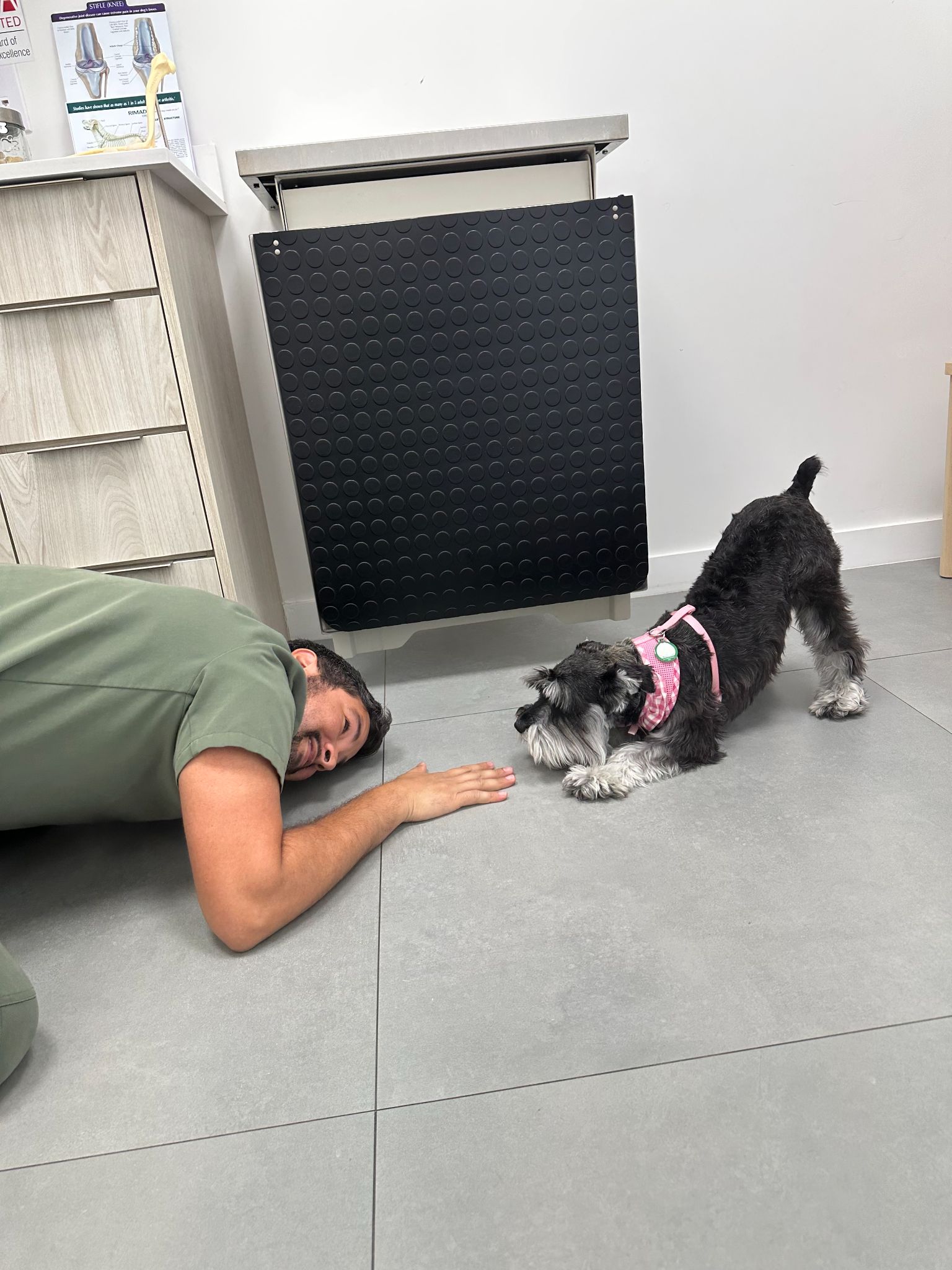
At Your Family Veterinarian, Dr. Morales and Dr. Fernandez have built their entire practice philosophy around this understanding. As part of their commitment to comprehensive wellness care for every patient, they actively use fear-free techniques during every visit to reduce stress and create the most positive experience possible for pets and their owners. They are working toward becoming a Fear Free Certified practice as a whole. However, all employees are Fear Free certified which reflects a commitment to a standard of care that goes well beyond routine medicine.
What Does “Fear-Free” Actually Mean?
Fear-free veterinary care is a practice approach designed to minimize anxiety, fear, and stress in animals during clinical visits. It involves changes to the physical environment, the way staff interact with animals, the order in which examinations are performed, and the use of calming strategies tailored to each individual patient. The goal is to ensure that a trip to the vet does not leave a lasting negative impression that makes future visits harder.
The American Animal Hospital Association (AAHA) recognizes fear-free principles as foundational to quality veterinary care, noting that reducing patient stress improves both the accuracy of clinical findings and the overall outcome of treatment. When a pet is calm, their heart rate, blood pressure, and cortisol levels reflect their actual baseline health rather than a stress response, which gives veterinarians a much clearer picture of what is truly going on.
How Stress Impacts Your Pet’s Health
When a pet experiences significant fear or anxiety at the vet, the physiological response is immediate and measurable. Elevated stress hormones can cause temporary increases in heart rate, blood pressure, and blood glucose levels, all of which can lead to misleading diagnostic results if not accounted for. Over time, repeated high-stress visits can reinforce a cycle of anxiety that makes each subsequent appointment more difficult than the last.
This is especially important to consider for pets managing ongoing conditions that require regular monitoring, such as those receiving support through pet pain management or pet behavioral consultations. When stress compounds an existing condition, it becomes harder to isolate what is causing a symptom and harder to track whether a treatment plan is truly working.
Avoidance Leads to Delayed Care
Many pet owners skip or delay veterinary appointments simply because the experience is too distressing for their animal. This is one of the most consequential side effects of veterinary anxiety, as conditions that could be caught early during routine exams are instead left undetected. Fear-free practices directly address this by making visits more tolerable, which encourages owners to keep up with their pet’s recommended care schedule.
Why Starting Early Makes a Lasting Difference
Pets that have positive early experiences at the vet are far more likely to remain calm and cooperative throughout their lives. This is one of the most compelling reasons to prioritize fear-free care from the very first appointment, particularly for young animals going through new puppy and kitten care. When a puppy’s first exam involves gentle handling, calm voices, and a stress-free environment, that experience becomes the emotional template for every visit that follows.
The following are some of the key elements that define a fear-free veterinary visit:
- Calm, unhurried handling that allows the pet to move and explore at their own pace
- Reduced waiting room stress through thoughtful separation of dogs and cats
- Positive reinforcement and treats to build trust throughout the exam
- Gentle restraint techniques that prioritize the pet’s comfort over speed
- Staff trained to read and respond to behavioral cues before stress escalates
Every one of these elements reflects a genuine respect for the animal as a feeling, responsive patient rather than a passive subject. That shift in perspective changes everything about how care is delivered.
Trust the Team at Your Family Veterinarian
Dr. Morales and Dr. Fernandez founded Your Family Veterinarian on the belief that pets deserve to be treated as family, and that means caring for their emotional wellbeing with the same dedication as their physical health. Clients have shared that Dr. Morales is one of the only veterinarians they have encountered who gets down on the floor with their pet and meets them at their level — a small gesture that speaks volumes about the culture of care at this practice. The team at Your Family Veterinarian uses the most advanced tools available and holds themselves to the highest professional standards.Your pet deserves a vet who sees the whole picture, from their lab results to their emotional state.Request an appointmentTo help make your visit as stress-free as possible, we send a fear-free questionnaire prior to your pet’s appointment so we can better understand their needs and comfort level.