

Pet Dental Care in Miami, FL
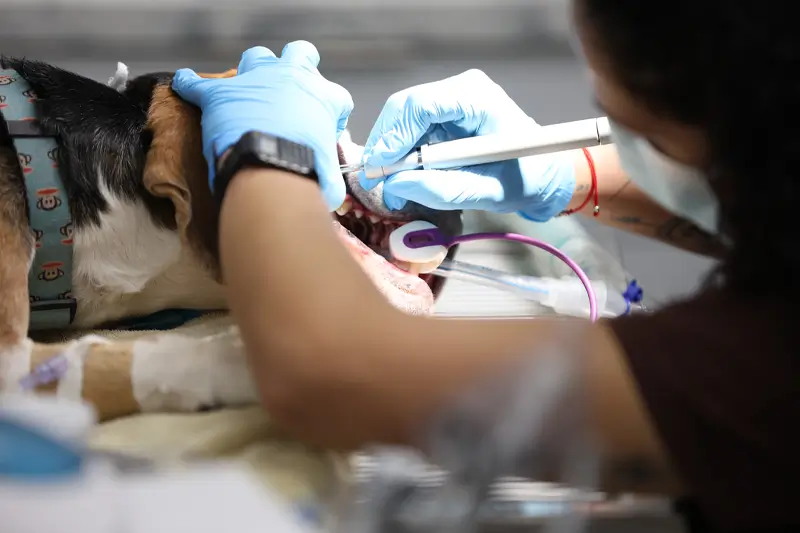
Understanding Pet Dental Disease
Dental disease begins when bacteria accumulate along the gum line, forming plaque that hardens into tartar within days. This buildup causes inflammation and infection of the gums, a condition called gingivitis. Without treatment, infection progresses beneath the gum line, destroying the structures that support teeth. Periodontal disease results in painful abscesses, loose teeth, bone loss, and eventually tooth loss.
The visible signs of dental disease include bad breath, yellow or brown tartar buildup on teeth, red or swollen gums, and difficulty eating. Some pets paw at their mouths, drop food while eating, or show reluctance to chew hard treats. However, many animals hide dental pain remarkably well, continuing to eat normally despite significant oral disease. This survival instinct means you cannot rely on behavior changes alone to detect dental problems.
Systemic Health Effects
Bacteria from infected teeth and gums enter the bloodstream, spreading throughout your pet’s body. These organisms lodge in the heart, liver, and kidneys, causing inflammation and damage to vital organs. Pets with untreated dental disease face higher risks of heart valve infections, kidney disease, and liver problems. The connection between oral health and systemic health makes dental care essential to your pet’s overall well-being, not just their mouth.
Studies show that professional dental care extends pets’ lives by preventing organ damage caused by oral bacteria. Regular dental cleanings remove the source of infection before it causes irreversible harm to internal organs. This preventive approach costs far less than treating heart or kidney disease that develops from years of dental neglect.
Professional Pet Dental Cleanings in Miami
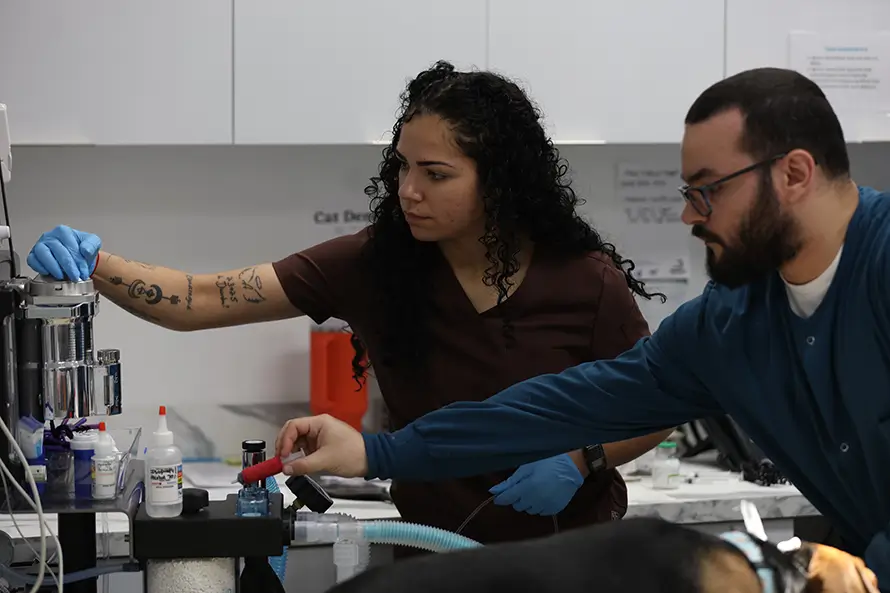
Professional dental cleaning requires general anesthesia to allow thorough examination and treatment of all tooth surfaces, including areas below the gum line where disease develops. Anesthesia keeps pets still and comfortable during the procedure while protecting their airway from water and debris. Attempts to clean teeth without anesthesia miss the most critical areas and create stress for animals who do not understand what is happening.
During the cleaning, we use specialized instruments to remove tartar above and below the gum line. Ultrasonic scalers break up hard deposits, while hand instruments reach into gum pockets where disease hides. Each tooth receives individual attention, with careful examination for cracks, fractures, mobility, or other problems. After scaling, we polish teeth to smooth surfaces and slow future tartar accumulation.
The Importance of Dental X-Rays
We offer dental X-rays as a critical component of comprehensive oral health assessment. These images reveal problems beneath the gum line that visual examination cannot detect. Tooth root abscesses, bone loss around tooth roots, retained baby teeth, tumors, and fractures extending below the gum line all require X-rays for diagnosis. Many pets have normal-looking teeth above the gum line while harboring serious disease in hidden areas.
Dental x-rays guide treatment decisions, showing which teeth can be saved and which need extraction. Without this diagnostic tool, veterinarians must guess at the extent of disease, potentially leaving infected teeth that continue causing pain and spreading bacteria. Many veterinary practices still do not offer dental X-rays, but we believe this technology is essential to providing the highest standard of dental care.
Common Dental Problems in Pets
Fractured teeth occur frequently in dogs who chew hard objects like bones, antlers, or ice. These breaks expose the sensitive pulp cavity inside the tooth, causing severe pain and allowing bacteria to enter. Fractured teeth often abscess, creating pockets of infection at the root tip. These damaged teeth require either root canal treatment or extraction to resolve pain and infection.
Tooth resorption affects many cats, causing teeth to erode from the inside out. The body essentially destroys its own teeth in a process that is painful and progressive. These lesions often hide beneath the gum line, detectable only through x-rays or careful probing during examination under anesthesia. Affected teeth need extraction since the resorption process cannot be stopped or reversed.
Fractured Teeth
Common in dogs who chew hard objects. Exposes the pulp cavity, leading to pain, bacterial entry, and abscessing at the root tip.
Tooth Resorption
Primarily affects cats. The body erodes its own teeth from the inside — painful, progressive, and only detectable by x-ray.
Gingivitis
The earliest, still-reversible stage of gum disease. Caused by plaque and tartar buildup causing gum inflammation and redness.
Periodontal Disease
Advanced gum disease with permanent damage: receding gums, bone loss, deep pockets around teeth, and eventual tooth loss.
Tooth Root Abscesses
Infection at the tooth root, often invisible externally. Detectable by x-ray. Causes significant pain and swelling if untreated.
Gum Disease Stages
Regular professional cleanings prevent progression from gingivitis to periodontitis. Annual or more frequent dental procedures keep disease at the reversible stage, avoiding tooth loss and the need for extractions. The earlier dental care begins in your pet’s life, the better their oral health remains throughout their years.
Home Dental Care for Pets in Miami
Daily tooth brushing provides the most effective home dental care, removing plaque before it hardens into tartar. Pet-specific toothpaste comes in flavors animals enjoy and contains enzymes that fight bacteria. Never use human toothpaste, which contains ingredients that upset pets’ stomachs. Start slowly, letting your pet get used to the taste and sensation before attempting to brush all teeth.
Home Dental Care Options — Effectiveness at a Glance
| Method | Effectiveness | Notes |
|---|---|---|
| Daily Tooth Brushing | Best | Use pet-specific toothpaste only. Never human toothpaste. |
| VOHC-Approved Dental Chews | Good | Look for the Veterinary Oral Health Council seal of approval. |
| Dental Diets | Good | Specially formulated kibble that mechanically scrubs tooth surfaces. |
| Water Additives | Moderate | Enzyme-based additives reduce oral bacteria. Best used alongside brushing. |
| No Home Care | Not Recommended | Rapid plaque and tartar accumulation accelerates dental disease. |
Teaching Pets to Accept Brushing
Introducing tooth brushing gradually increases success. Begin by touching your pet’s lips and teeth with your finger, rewarding calm behavior with treats and praise. Progress to using gauze wrapped around your finger before introducing a toothbrush. Work up to brushing all teeth over several weeks. Most pets learn to tolerate or even enjoy tooth brushing when it is associated with positive experiences and introduced patiently.
Cats often resist tooth brushing more than dogs, but persistence pays off. Focus on the outer surfaces of teeth where tartar accumulates most heavily. Even partial brushing provides benefits compared to none at all. If your pet absolutely refuses brushing, dental treats and water additives offer some help, though they are less effective than mechanical plaque removal.
When to Schedule Dental Care
Most pets need professional dental cleaning annually, though some require more frequent attention. Small breed dogs, pets with existing dental disease, and animals who will not tolerate home care often need cleanings every six months. We evaluate your pet’s individual needs during wellness examinations, checking teeth and gums to determine appropriate cleaning intervals.
⚠ Signs Your Pet May Need Dental Care Now
‣ Persistent bad breath
‣ Yellow or brown tartar on teeth
‣ Red, swollen, or bleeding gums
‣ Dropping food or difficulty chewing
‣ Pawing at the mouth or face
‣ Loose or visibly broken teeth
Many pets hide dental pain well. Annual checkups help us catch disease before symptoms appear.
Schedule dental procedures before disease becomes advanced. Waiting until teeth are loose or gums bleed heavily means more extensive treatment, potentially including multiple tooth extractions. Early intervention prevents pain, preserves teeth, and costs less than treating severe disease. Think of dental care as preventive maintenance rather than emergency treatment.
Making Pet Dental Care in Miami Affordable
We understand dental procedures represent a significant expense, which is why we offer a Dental Cleaning bundle that makes preventive care more accessible. Our acceptance of CareCredit and Cherry financing helps manage the cost of dental cleanings when they’re needed. We also recommended having private pet insurance, and many plans cover dental care when it’s medically necessary or as part of wellness packages.
Investing in regular dental care ultimately costs less than treating the consequences of dental disease. Organ damage from chronic oral infections requires expensive medications and management. Tooth extractions needed when disease advances cost more than preventive cleanings. The most economical approach involves maintaining oral health through regular professional care combined with home dental maintenance.
Frequently Asked Questions About Pet Dental Care in Miami
How do I treat dental disease in my cat at home?
What should I do about my older dog’s bad teeth?
How often should my dog or cat get a professional dental cleaning?
Is my pet safe under anesthesia for a dental cleaning?


Schedule Your Pet’s Dental Evaluation at Your Family Veterinarian
Your pet’s dental health directly impacts their overall well-being, comfort, and longevity. At our family-owned Miami practice, Dr. Morales and Dr. Fernandez prioritize dental health as an essential component of preventive medicine, using dental x-rays and advanced techniques to diagnose problems early and provide comprehensive treatment.
Our individualized approach means we take the time to examine every tooth, explain our findings clearly, and develop treatment plans tailored to your pet’s specific needs. Contact Your Family Veterinarian today to schedule a dental evaluation and give your companion the oral health care they deserve.
A clean and disease-free mouth is imperative for the health and longevity of your pet. Let our veterinarians protect and care for your pet’s teeth. Give us a call at (786) 885-1590 to schedule an appointment for your furry friend today.
- Veterinarian Reviewed
Reviewed by our team of licensed veterinarians to ensure accurate, up-to-date, and reliable veterinary information. We do this to help deliver thoughtful, high-quality care for every pet we serve.