
Veterinary Surgery in Miami, FL
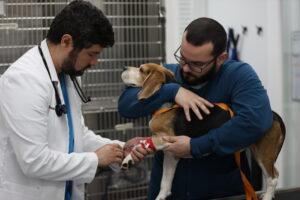
When your pet faces a health condition that medication alone cannot resolve, surgery may be the most effective path toward recovery and comfort. From routine spay and neuter procedures to complex soft tissue operations and emergency interventions, veterinary surgery addresses a wide range of conditions that require direct, precise treatment. Modern techniques, advanced monitoring equipment, and multimodal pain management protocols work together to keep your pet safe from the first incision through a full recovery. Our veterinary services in Miami are built around the belief that every pet deserves compassionate, individualized care.
At Your Family Veterinarian, Dr. Morales and Dr. Fernandez approach every surgical case the way they would treat their own animals, with careful attention, fear-free handling, and honest communication throughout the process. As a husband-and-wife veterinary team serving Miami families, they utilize digital monitoring systems, modern surgical equipment, and up-to-date evidence-based techniques to enhance safety and precision during every procedure. Their commitment to taking time with each patient, not rushing appointments, and offering transparent treatment plans means you always understand exactly what your pet needs and why.
Common Veterinary Surgical Procedures in Miami
Spay and neuter surgeries remain among the most frequently performed veterinary procedures. Spaying removes a female pet’s reproductive organs, preventing pregnancy and eliminating heat cycles while reducing the risk of mammary tumors and uterine infections. Neutering removes a male pet’s testicles, preventing reproduction and reducing testosterone-driven behaviors like roaming and aggression. Both procedures require general anesthesia and careful surgical technique to support a smooth recovery.
🐾 Soft Tissue Surgery
Soft tissue surgery addresses problems involving organs, skin, and other non-bone structures — including wound repair, bladder stone removal, and intestinal procedures.
🔬 Mass Removal Surgery
Mass removal surgery eliminates suspicious lumps and tumors, with tissue sent for pathology to determine whether additional treatment is needed.
🦷 Dental Surgery
Dental surgery under anesthesia allows full cleaning below the gum line, dental x-rays, tooth extractions, and treatment of periodontal disease.
🚨 Emergency Surgery
Emergency veterinary surgery addresses life-threatening conditions — including foreign body removal, trauma repair, and emergency cesarean sections.
Compassionate Care for Your Pet
Your Family Veterinarian provides care for cats and dogs in Miami, FL. Dr. Morales and Dr. Fernandez are here when your pet needs us most.
Pre-Surgical Preparation and Safety
Every surgical patient undergoes thorough pre-surgical evaluation to identify potential complications before they occur. Physical examination assesses overall health, heart and lung function, hydration status, and body condition. We discuss your pet’s medical history, current medications, and any previous anesthetic experiences that might influence our approach.
Pre-Surgical Safety Protocol
Physical Exam
Heart, lungs, hydration and body condition assessed
Pre-Anesthetic Bloodwork
Kidney, liver function, blood cell counts and clotting evaluated
Cardiac and Imaging Screening
Chest x-rays and ECG for older or high-risk patients
Medication Review
Current medications and prior anesthetic history reviewed
Anesthesia Monitoring
Modern veterinary anesthesia uses multiple medications to keep pets unconscious, pain-free, and physiologically stable during surgery. Throughout the procedure, we monitor your pet’s vital signs continuously using digital equipment that tracks heart rate, breathing, blood pressure, oxygen saturation, and body temperature. A dedicated team member watches these parameters constantly, adjusting anesthesia and providing support if any changes occur.
Pain management begins during surgery and continues through recovery. We use multiple pain control methods including injectable medications, oral drugs, and local anesthetic blocks that numb specific surgical sites. Most pets go home with pain medication to take for several days while surgical sites heal.
What to Expect on Surgery Day
Most surgical patients must fast for eight to twelve hours before anesthesia to prevent vomiting and aspiration during the procedure. Water is usually allowed until a few hours before surgery. Drop your pet off on the morning of surgery according to the scheduled appointment time. We confirm your contact information and answer any last-minute questions before you leave.
What Happens on Surgery Day
1
Check-In
Drop off your pet. Team reviews fasting, medical history, and your contact info.
2
Pre-Op Prep
IV catheter placed, pre-anesthetic sedation administered, surgical site prepared.
3
Surgery
Dr. Morales or Dr. Fernandez performs the procedure under continuous vital sign monitoring.
4
Recovery
Pet monitored as anesthesia wears off. Team confirms walking, eating, and drinking ability.
5
Discharge
Most pets go home same-day with aftercare instructions and pain medication.
During the procedure, we maintain sterile surgical conditions following strict protocols that minimize infection risk. Dr. Morales and Dr. Fernandez use modern surgical techniques that reduce tissue trauma, minimize blood loss, and promote faster healing.
Post-Surgical Recovery
We send detailed aftercare instructions home with every surgical patient. These guidelines cover medication schedules, activity restrictions, incision care, and warning signs that warrant immediate veterinary attention. An Elizabethan collar prevents licking or chewing at surgical sites, protecting stitches and reducing infection risk.
Most surgical incisions heal within ten to fourteen days. We schedule follow-up appointments to check healing progress and remove stitches or staples when appropriate. During recovery, limit your pet’s activity to prevent injury to healing tissues. No running, jumping, rough play, or swimming until the surgical site has fully healed.
When Surgery Becomes Necessary
Some health conditions respond only to surgical intervention. Masses that continue growing require removal and analysis to determine whether additional treatment is needed. Foreign bodies lodged in the digestive tract cause obstructions that cannot resolve on their own. Broken bones need surgical repair to heal properly. Bladder stones too large to pass naturally must be removed to relieve pain and restore normal urinary function.
Other surgeries are elective but provide significant, lasting health benefits. Spaying and neutering prevent reproduction while reducing cancer risk and eliminating hormonally driven behaviors. Dental procedures stop painful infections and protect your pet’s overall systemic health. Growth removals performed early often prevent benign lumps from becoming a more serious problem over time. According to the American Animal Hospital Association, veterinary surgeons can perform procedures that significantly improve or save an animal’s life, making timely evaluation important when any concern arises.
Making Surgery Affordable
Surgical costs vary depending on procedure complexity, anesthesia time, and necessary post-operative care. We provide detailed cost estimates before scheduling surgery so you know exactly what to expect. We accept CareCredit and Cherry financing, making necessary surgery accessible when unexpected health problems arise. Review our financing options to find a plan that works for your family. We also work with all pet insurance companies, providing the documentation your claim requires.
Frequently Asked Questions for Veterinary Surgery
What signs indicate my pet may need surgery?
Signs that surgery may be necessary include a lump or mass that is growing, vomiting or inability to keep food down (which can signal a foreign body obstruction), difficulty urinating, an open wound that is not healing, or a sudden change in your pet's mobility or comfort. If your pet is showing any of these symptoms, a prompt veterinary evaluation can determine whether surgical intervention is needed. Early assessment often leads to safer, more straightforward procedures.
How do you keep my pet safe during anesthesia?
Every surgical patient at Your Family Veterinarian receives pre-anesthetic bloodwork to evaluate kidney function, liver health, blood cell counts, and clotting ability before anesthesia is administered. During surgery, a dedicated team member monitors heart rate, breathing, blood pressure, oxygen saturation, and body temperature continuously using digital equipment. We use multimodal anesthesia protocols and begin pain management before the procedure to reduce the total amount of anesthetic needed and support a smoother recovery.
How long does recovery from surgery take?
Recovery time depends on the type and complexity of the procedure. Most routine soft tissue incisions heal within ten to fourteen days, and many pets go home the same day once they have recovered from anesthesia. More involved procedures may require a longer healing period with activity restrictions, pain medication, and a follow-up recheck. We provide detailed written aftercare instructions with every surgical patient and schedule a follow-up appointment to check healing progress and remove sutures when appropriate.
Is veterinary surgery safe for older pets?
Age alone is not a barrier to surgery. Senior pets can undergo procedures safely when pre-surgical evaluation confirms they are healthy enough to tolerate anesthesia. Older patients often require additional testing, such as chest x-rays or an electrocardiogram, to assess heart and lung function before proceeding. Dr. Morales and Dr. Fernandez take a conservative, thorough approach with every older patient, discussing the risks, benefits, and alternatives honestly so you can make the best decision for your companion.
What happens if I cannot afford the full cost of surgery upfront?
We offer CareCredit and Cherry financing options that allow you to spread the cost of surgery over time, making necessary care accessible when unexpected situations arise. We also work directly with all major pet insurance companies and provide the documentation your claim requires. Before scheduling any procedure, we give you a detailed cost estimate so there are no surprises. You can learn more on our financing options page, and our team is happy to walk through all available options with you.
Do you perform both routine and emergency surgeries?
Yes. Your Family Veterinarian performs a wide range of surgical procedures, from planned operations like spay and neuter, mass removals, soft tissue surgery, and dental surgery to emergency interventions such as foreign body removal, wound repair, and emergency cesarean sections. If your pet develops an urgent surgical need, contact us directly so we can assess the situation and determine the most appropriate course of action for your pet's safety.
Schedule Your Pet's Surgical Consultation at Your Family Veterinarian
When your pet needs surgery, you want a veterinary team that combines genuine skill with compassionate, unhurried care. At our family-owned Miami practice, Dr. Morales and Dr. Fernandez take the time each patient needs, using fear-free handling techniques, digital medical records, and individualized treatment plans to ensure every companion receives surgery performed with steady hands and genuine concern. Dr. Morales is known for getting on the floor with anxious pets, and both doctors are open to discussing every option without judgment, regardless of your financial situation.
Our use of digital monitoring equipment, modern anesthetic protocols, and thorough pre-surgical evaluation means your pet’s safety is the priority from consultation through recovery. Schedule an appointment online or call us at (786) 885-1590 to discuss surgical options for your pet and experience the difference that advanced technology, skilled technique, and genuine care make in veterinary surgery.
Please call us at (786) 885-1590 if you have any questions or concerns about our veterinary surgeries. We are always available to assist you.