

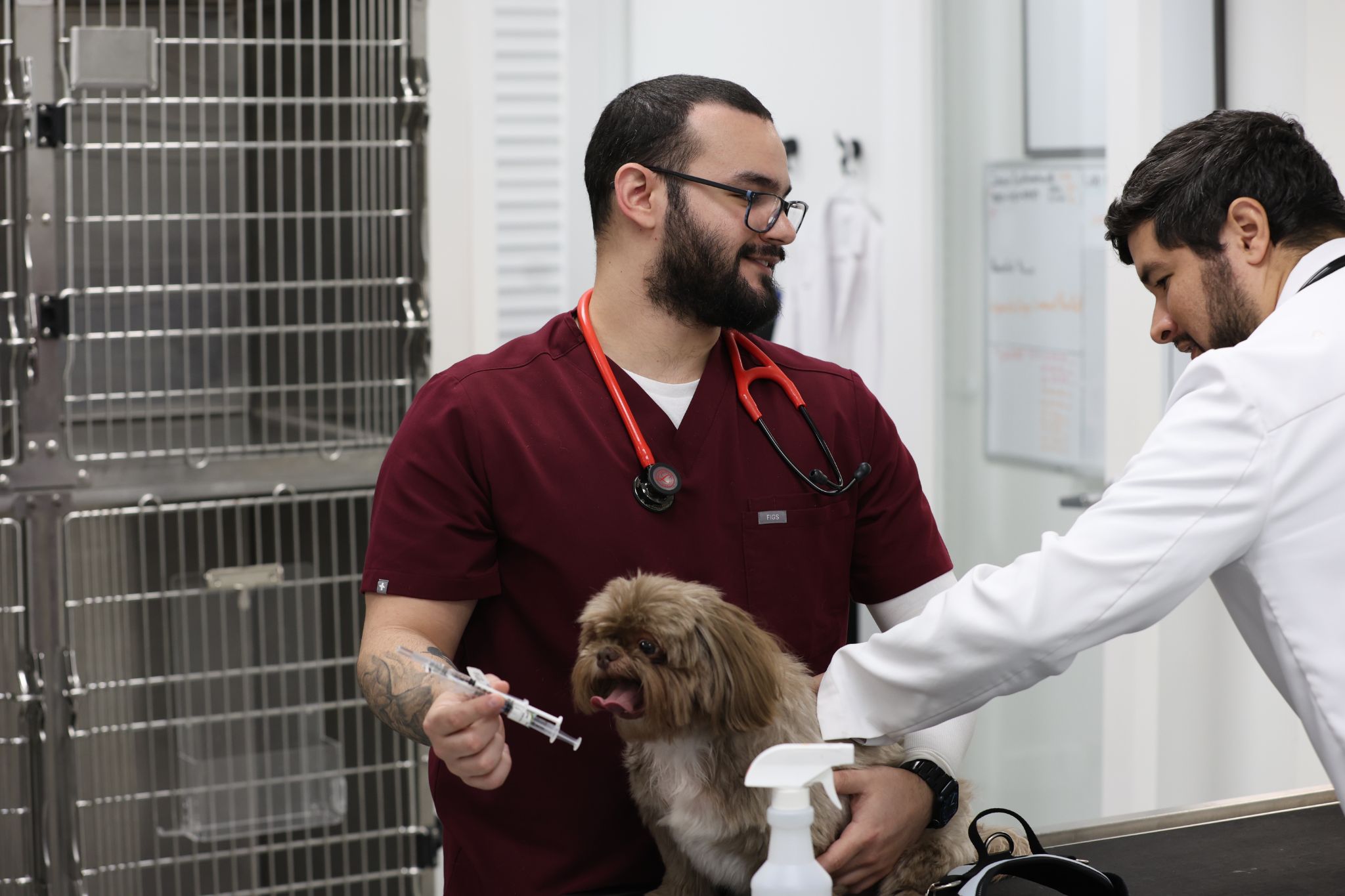
If you’ve recently welcomed a new pet into your home, or if your dog or cat is overdue for a checkup, the topic of vaccines can feel overwhelming fast. Core vaccines, non-core vaccines, boosters, schedules — there’s a lot of language to sort through, and it’s easy to walk away from a quick internet search with more questions than answers. The good news is that vaccination doesn’t have to be complicated. Understanding the basics puts you in a much stronger position to have an informed conversation with your veterinarian and make the best decisions for your pet.
At Your Family Veterinarian, Dr. Morales and Dr. Fernandez take a personalized approach to every patient, which means your pet’s vaccination plan is never one-size-fits-all. Our team considers your pet’s age, lifestyle, health history, and the specific disease risks present in the South Florida and Kendall area before making any recommendations. Staying current with pet vaccinations is one of the most cost-effective steps you can take to protect your pet’s long-term health, and we’re here to guide you through every stage of that process.
Core Vaccines: What Every Dog and Cat Should Have
The first thing to understand is the distinction between core and non-core vaccines. Core vaccines are those recommended for every dog or cat, regardless of lifestyle or environment, because they protect against diseases that are either highly contagious, potentially fatal, or transmissible to humans.
For dogs, core vaccines include protection against rabies, distemper, parvovirus, and adenovirus. According to the American Animal Hospital Association, leptospirosis has also been designated a core vaccine for all dogs in the updated 2024 guidelines, reflecting its growing prevalence across a wide range of environments. For cats, core protection covers rabies along with the FVRCP combination vaccine, which guards against feline viral rhinotracheitis, calicivirus, and panleukopenia. These diseases spread easily between cats and can be life-threatening, particularly in kittens and older animals.
Rabies vaccination is not just medically recommended — it’s legally required in Florida for both dogs and cats. This is an important detail for new pet owners in the Miami area who may not yet be familiar with local ordinances. Keeping this vaccine current also matters if your pet ever bites someone or is exposed to a wild animal, since documentation of rabies vaccination affects how those situations are handled.
Non-Core Vaccines: When Lifestyle and Location Matter
Beyond the core vaccines, there are a number of non-core vaccines that may or may not be right for your pet depending on their specific risk factors. These aren’t optional in the sense that they’re unimportant — they’re simply more targeted. The decision to include them should be made with your veterinarian after a thorough assessment of your pet’s daily environment and activities.
For dogs in South Florida, Bordetella (kennel cough) is often recommended for pets who visit dog parks, boarding facilities, groomers, or doggy daycare. Canine influenza is another vaccine to consider for social dogs. For cats, feline leukemia virus (FeLV) vaccination is strongly recommended for any cat with outdoor access or contact with other cats, since FeLV is transmitted through close contact and has no cure.
This is where wellness care becomes so valuable. A routine visit isn’t just about checking boxes — it’s an opportunity to evaluate your pet’s evolving lifestyle and adjust their preventive care plan accordingly.
Puppies, Kittens, and Getting Started Right
The timing of vaccinations matters as much as the vaccines themselves. Puppies and kittens typically begin their vaccine series between six and eight weeks of age, receiving boosters every three to four weeks until around 16 weeks. This schedule is designed to build immunity as the protection passed from their mother naturally fades. Missing or delaying appointments during this window can leave young pets vulnerable during a critical period.
Our new puppy and kitten care program is built around getting your newest family member started on the right foot. Beyond vaccines, these early visits also cover nutrition guidance, parasite screening, and behavioral foundations that set the tone for a healthy life. Speaking of parasites, South Florida’s warm, humid climate makes year-round parasite prevention especially important, and your pet’s first wellness visits are the right time to establish that protection as well.
Your Family Veterinarian: Vaccine Guidance Rooted in Genuine Care
At Your Family Veterinarian, we believe that every pet deserves the kind of thoughtful, individualized attention that comes from a practice that genuinely loves animals. Dr. Morales and Dr. Fernandez lead a team committed to the highest standards of veterinary medicine, utilizing advanced tools and working toward both Fear Free Certification and AAHA accreditation. Our dedicated veterinary staff brings warmth and expertise to every visit, ensuring that both you and your pet leave feeling confident and cared for.
Whether you’re starting a puppy or kitten on their very first vaccine series, catching up on overdue boosters, or simply trying to understand what your pet actually needs, we’re ready to help. Request an appointment today, and let’s build a vaccination plan that fits your pet’s life.