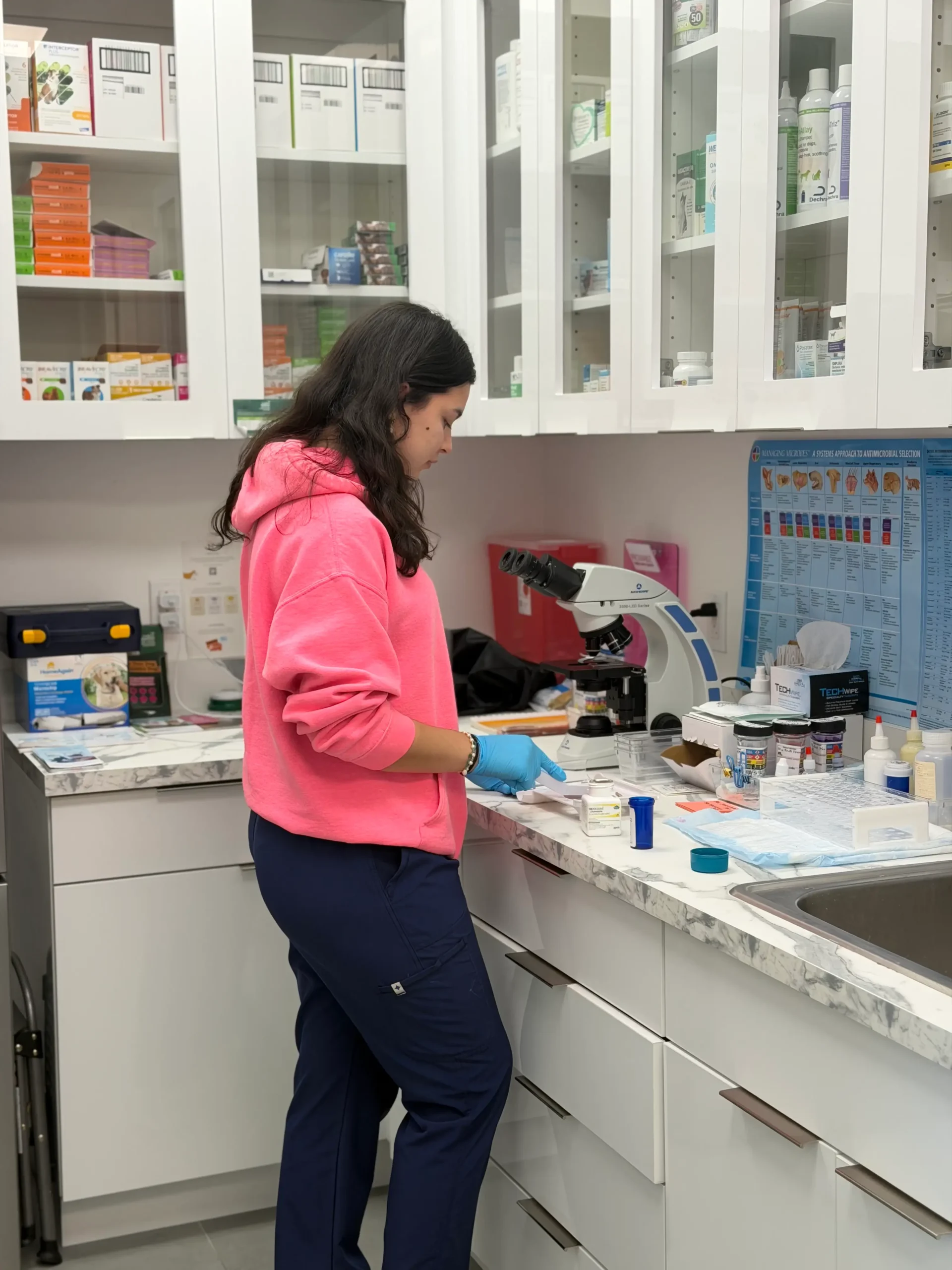
Laboratory testing reveals information about your pet’s internal health that physical examination alone cannot detect, allowing veterinarians to diagnose diseases accurately, monitor chronic conditions, and catch problems before they cause obvious symptoms. These diagnostic tools transform uncertainty into concrete answers, guiding treatment decisions with scientific evidence rather than guesswork.At Your Family Veterinarian, Dr. Morales and Dr. Fernandez utilize comprehensive laboratory services to provide the highest quality medical care for pets. Our Miami practice combines in-house testing capabilities with access to specialized reference laboratories, ensuring rapid results for urgent situations while maintaining the ability to run complex analyses when needed. As a husband-and-wife veterinarian team committed to staying current with veterinary medicine, we use digital medical records that make test results immediately accessible and easy to share, while our individualized treatment plans ensure we interpret laboratory findings in the context of your pet’s unique health situation.
Types of Laboratory Testing
Blood chemistry panels evaluate organ function and metabolic processes throughout your pet’s body. These tests measure kidney values, liver enzymes, blood glucose, protein levels, electrolytes, and other biochemical markers that indicate how well internal systems are operating. Abnormalities in these values often appear before your pet shows any symptoms, allowing early intervention when treatment is most effective.
Complete blood counts examine the cellular components of blood, including red cells that carry oxygen, white cells that fight infection, and platelets that enable clotting. These tests diagnose anemia, detect infections, identify inflammatory conditions, and reveal blood disorders that affect your pet’s health. Changes in blood cell counts provide important clues about diseases affecting multiple body systems.
Urinalysis and Fecal Testing
Urinalysis evaluates kidney function, detects urinary tract infections, and identifies metabolic disorders like diabetes. This simple test examines urine concentration, pH, protein content, and the presence of bacteria, crystals, blood, or abnormal cells. Urinalysis catches kidney disease in early stages when dietary management and supportive care can slow progression and extend quality life.
Fecal examinations identify intestinal parasites including roundworms, hookworms, whipworms, and giardia that cause diarrhea, weight loss, and other digestive problems. Different testing methods detect different parasites, so multiple screening techniques sometimes become necessary. Regular fecal testing prevents parasites from causing serious illness or spreading to other pets and family members.
Wellness Screening for Healthy Pets
Annual or semi-annual blood work for apparently healthy pets establishes baseline values that make detecting changes easier. Every animal has slightly different normal ranges, and knowing your pet’s individual baseline helps identify subtle shifts that signal developing problems. Senior pets benefit from more frequent screening since their health can change rapidly.
Wellness testing typically includes a complete blood count and chemistry panel covering the most important organ systems. These screenings catch common age-related conditions like kidney disease, liver problems, diabetes, and thyroid disorders before symptoms become obvious. Early detection allows for treatment that significantly improves outcomes and often costs less than managing advanced disease.
Pre-Anesthetic Testing
Every pet undergoing anesthesia for surgery or dental procedures needs pre-anesthetic blood work. These tests verify that kidneys and liver can process anesthetic drugs safely and that no hidden health problems will cause complications. Young, apparently healthy pets sometimes have congenital conditions that don’t affect normal activity but become dangerous under anesthesia.
Older animals and those with chronic health conditions require more extensive pre-surgical evaluation. Additional testing might include thyroid panels, blood pressure measurement, or specific organ function tests based on your pet’s medical history. This screening prevents tragic outcomes and gives both you and your veterinarian confidence proceeding with necessary procedures.
Diagnostic Testing for Sick Pets
When your pet shows concerning symptoms, laboratory testing identifies the underlying cause rather than just treating symptoms blindly. Vomiting, diarrhea, lethargy, changes in appetite or thirst, weight loss, or behavioral changes all warrant investigation. Blood work, urinalysis, and fecal examination often reveal the source of problems, allowing targeted treatment that addresses the actual disease.
Emergency situations require immediate testing to guide urgent treatment decisions. Pets showing severe symptoms need rapid assessment of organ function, hydration status, blood sugar levels, and electrolyte balance. In-house laboratory equipment provides results within minutes, enabling quick intervention when every moment counts.
Monitoring Chronic Conditions
Pets with diabetes, kidney disease, thyroid disorders, or other chronic conditions need regular laboratory monitoring to assess disease progression and treatment effectiveness. Serial blood work shows whether medications are working, if doses need adjustment, or if the condition is worsening despite therapy. This ongoing monitoring optimizes treatment and helps prevent complications.
Laboratory results guide decisions about medication changes, dietary adjustments, and additional treatments. For example, pets on medications that can affect liver or kidney function need periodic testing to ensure these drugs aren’t causing harm. Regular monitoring catches problems early when they’re easiest to manage.
Specialized Testing
Thyroid testing evaluates hormone production in pets showing weight changes, skin problems, lethargy, or behavioral shifts. Hyperthyroidism affects many senior cats, causing weight loss despite increased appetite, hyperactivity, and heart problems. Hypothyroidism occurs more commonly in dogs, leading to weight gain, lethargy, and skin issues. Both conditions respond well to treatment once diagnosed through blood testing.
Heartworm testing screens for this serious parasitic infection transmitted by mosquitoes. Dogs in Florida face high heartworm risk due to year-round mosquito populations. Annual testing ensures preventive medications are working and catches infections early if prevention fails. Heartworm disease causes permanent heart and lung damage when left untreated, making prevention and early detection critical.
Infectious Disease Screening
Testing for infectious diseases helps diagnose illnesses and prevents spread to other animals. FeLV and FIV testing screens cats for contagious viruses that suppress immune function. Parvovirus testing diagnoses this deadly intestinal infection in puppies showing severe vomiting and bloody diarrhea. Rapid test kits provide answers within minutes, allowing immediate treatment and appropriate isolation precautions.
Tick-borne disease testing detects infections like Lyme disease, ehrlichiosis, and anaplasmosis in pets with fever, joint pain, or lethargy. Early antibiotic treatment resolves most tick-borne infections before they cause permanent damage. Testing determines which specific infection is present, guiding antibiotic selection for optimal treatment.
Understanding Test Results
Laboratory results include reference ranges showing normal values for each parameter tested. Numbers falling outside these ranges indicate potential problems requiring further investigation or treatment. However, individual variation means some pets have values slightly outside normal ranges without any disease present, while others have serious illness with results still technically within normal limits.
Dr. Morales and Dr. Fernandez evaluate all findings together, considering your pet’s symptoms, physical examination, and medical history when interpreting test results. Patterns matter more than individual values. Multiple mildly abnormal results often indicate significant disease, while a single borderline value in an otherwise healthy pet may require only monitoring.
Follow-Up Testing
Some abnormal results require repeat testing to determine whether problems are temporary or persistent. Dehydration causes temporary kidney value elevations that normalize with fluid therapy. Stress affects some test parameters, particularly in cats. Confirming abnormalities through repeat testing prevents overtreatment while ensuring genuine problems receive appropriate attention.
Progressive changes over time provide important information about disease development and treatment response. Serial testing shows whether kidney values are stable or worsening, if liver enzymes are responding to treatment, or if diabetes is becoming harder to control. This trend analysis guides ongoing management decisions.
Making Laboratory Testing Affordable
We understand laboratory testing represents an important investment in your pet’s health. However, these tests save money over time by enabling accurate diagnosis and preventing treatment of the wrong condition. They also catch diseases early when they’re less expensive to manage than advanced illness requiring intensive intervention.
Our acceptance of CareCredit and Cherry financing makes necessary testing accessible when unexpected illness strikes. We also work with all pet insurance companies, and many plans cover laboratory diagnostics, especially when medically necessary to investigate symptoms or monitor chronic conditions. Preventive wellness screening may be included in insurance wellness packages.
Schedule Your Pet’s Laboratory Testing at Your Family Veterinarian
Accurate diagnosis forms the foundation of effective treatment, and comprehensive laboratory services provide the information needed to understand exactly what’s happening inside your pet’s body. At our family-owned Miami practice, Dr. Morales and Dr. Fernandez combine thorough physical examinations with appropriate laboratory testing to develop complete pictures of your companion’s health.
Our use of advanced technology and digital medical records ensures results are organized, accessible, and properly integrated into your pet’s ongoing care. Contact Your Family Veterinarian today to discuss laboratory testing for your pet and experience veterinary care that combines clinical expertise with genuine compassion.
A clean and disease-free mouth is imperative for the health and longevity of your pet. Let our veterinarians protect and care for your pet’s teeth. Give us a call at (786) 885-1590 to schedule an appointment for your furry friend today.
“Dr. Morales is an amazing veterinarian. He has been treating my dog Marino since he was three weeks old and who is now three years old. He cares for Marino as if its his own pet. As a pet owner, I have always felt secure and confident with Dr. Morales’ care treatment my for Marino. I can’t wait for you and your wife to open your new pet clinic. Congratulations Dr. Morales and Dr. Fernandez on your business and new bundle of joy!”
—Yamaris
“My dog, a 100+ pound ball of nerves, makes it almost impossible for vets to treat him. However, Dr. Morales has such a way with animals that he’s the only one who makes him feel comfortable (they even take selfies together). I cannot say enough great things about him and the service he provides to all fur babies. Hachi can’t wait to visit soon!!!”