Mass Removal Surgery in Miami, FL
When your pet develops unusual lumps or growths beneath their skin, the concern can feel overwhelming. Whether the mass is small and barely noticeable or large enough to affect your pet’s mobility and comfort, understanding your treatment options brings peace of mind during a stressful time.
At Your Family Veterinarian, Dr. Karen Fernandez and Dr. Nestor Morales provide comprehensive surgical services to pets throughout Miami and the surrounding Kendall West community. As a husband-and-wife veterinary team, we treat every patient like family, combining advanced surgical techniques with fear-free handling methods that prioritize your pet’s physical and emotional well-being. Our bilingual practice ensures clear communication in both English and Spanish, so you fully understand your pet’s diagnosis and treatment plan.
Understanding Pet Masses and Tumors
Not all masses require immediate surgical intervention, but proper evaluation determines the best course of action. Masses can develop anywhere on your pet’s body and vary significantly in size, texture, and growth rate. Some growths remain benign and cause minimal disruption to your pet’s quality of life, while others may be malignant and require prompt removal.
Common Types of Masses in Pets
Pet masses fall into several categories based on their cellular composition and behavior. Lipomas represent benign fatty tumors that commonly affect middle-aged and senior dogs, appearing as soft, movable lumps beneath the skin. Mast cell tumors can range from benign to highly aggressive and often appear as raised, irregular bumps that may change in size.
Sebaceous cysts develop when oil glands become blocked and typically feel firm to the touch. Histiocytomas frequently affect young dogs and often resolve without intervention, though removal becomes necessary if they persist or cause discomfort.
The American Veterinary Medical Association reports that approximately one in four dogs will develop cancer at some point during their life, with the risk increasing to one in two for dogs 10 years or older. Early detection and removal of suspicious masses dramatically improve treatment outcomes and survival rates.
Signs Your Pet Needs Mass Evaluation
Several indicators suggest your pet requires professional evaluation for a mass. Rapid growth over days or weeks signals aggressive behavior that warrants immediate attention. Masses that interfere with your pet’s movement, eating, or elimination need prompt assessment. Open sores or bleeding from a growth indicate tissue breakdown and possible infection. Changes in your pet’s behavior, including lethargy, decreased appetite, or signs of pain when the area is touched, also require a veterinary wellness care consultation.
The Mass Removal Surgical Process
Our surgical approach prioritizes your pet’s safety while achieving the best possible outcome. Before scheduling any surgery, we conduct a thorough pre-operative evaluation to ensure your pet can safely undergo anesthesia.
Pre-Surgical Evaluation and Diagnostics
The process begins with a complete physical examination and discussion of your pet’s medical history. We may recommend fine needle aspiration, which involves collecting cells from the mass using a small needle for microscopic evaluation. This minimally invasive procedure helps determine whether the growth is benign or malignant without requiring general anesthesia.
Based on the initial findings, additional diagnostic testing may include bloodwork to assess organ function, chest radiographs to check for metastasis in cases of suspected cancer, and a complete blood count to ensure your pet can safely handle surgery and recovery.
Anesthesia and Surgical Technique
We utilize modern anesthesia protocols tailored to your pet’s specific needs, age, and health status. Throughout the procedure, dedicated monitoring equipment tracks your pet’s vital signs, including heart rate, blood pressure, respiratory rate, and oxygen levels. A trained team member remains with your pet from induction through recovery.
The surgical technique varies based on the mass location, size, and suspected nature. For benign masses, we perform clean excision with adequate margins to prevent regrowth. Malignant tumors require wider margins to ensure complete removal of cancerous cells. We routinely submit removed tissue for histopathology, which provides a definitive diagnosis and guides any necessary follow-up treatment. Our surgical suite maintains strict sterile protocols to minimize infection risk and promote optimal healing.
Post-Operative Care and Recovery
Your pet’s comfort and successful healing remain our top priorities during the recovery period. Most pets return home the same day as their surgery, though some cases require overnight monitoring.
What to Expect After Surgery
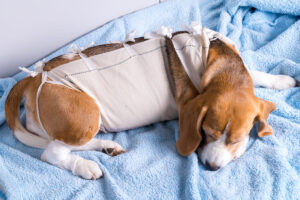
Your pet will need restricted activity for 10 to 14 days following mass removal surgery. This limitation prevents strain on the incision site and promotes proper healing. We provide detailed discharge instructions covering pain management medication, activity restrictions, incision care, and signs of complications requiring immediate attention. Most pets experience mild discomfort managed effectively with prescribed pain medication. Swelling around the surgical site is normal during the first 48 hours and typically resolves without intervention.
Follow-Up and Long-Term Monitoring
We schedule a recheck appointment 10 to 14 days after surgery to assess healing and remove any external sutures or staples. During this visit, we also review histopathology results and discuss any additional treatment recommendations. For pets with malignant masses, we establish a monitoring schedule to detect potential recurrence or metastasis early. Regular wellness examinations every six months help us identify new masses before they become problematic.

Choose Your Family Veterinarian for Mass Removal Surgery in Miami
Dr. Morales and Dr. Fernandez bring comprehensive veterinary expertise to every surgical case, utilizing the most advanced technological tools available in veterinary medicine. Our practice serves the Miami and Kendall West communities with a unique combination of clinical excellence and compassionate care. As a family-owned practice working toward Fear Free Certification and AAHA accreditation, we maintain the highest standards in veterinary medicine while creating a calming environment for pets and their families.
We understand that cost considerations affect treatment decisions, which is why we accept both CareCredit and Cherry financing options. These programs allow families to proceed with necessary surgical care while managing payment over time. If you’ve discovered a mass on your pet or your veterinarian has recommended surgical evaluation, contact our office to schedule a consultation. We’ll evaluate your pet’s specific situation, explain all treatment options, and develop a surgical plan that prioritizes your pet’s health.