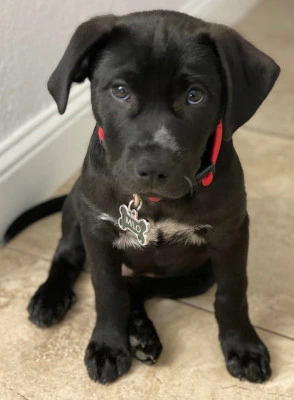
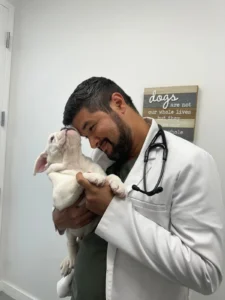
Bringing home a new puppy or kitten marks the beginning of a wonderful relationship that will span many years, and providing proper veterinary care during these critical early months establishes the foundation for lifelong health. Young animals need protection against serious diseases, guidance on proper nutrition and socialization, and professional monitoring to catch developmental problems early when they’re most treatable.
At Your Family Veterinarian, Dr. Morales and Dr. Fernandez welcome new puppies and kittens with comprehensive veterinary care tailored to each young animal’s needs. Our Miami practice emphasizes preventive medicine as the cornerstone of pet health, providing vaccinations, parasite prevention, nutritional guidance, and behavioral advice that helps your new companion thrive. As a husband-and-wife veterinarian team who treat every patient as we would our own pets, we take the time to answer all your questions and build a partnership with you that supports your pet’s wellbeing throughout their life. Our fear-free handling techniques and calm environment help young animals develop positive associations with veterinary visits from their very first appointment.
First Veterinary Visit
Schedule your puppy or kitten’s first veterinary visit within a few days of bringing them home. This initial examination establishes a health baseline, checks for congenital problems or parasites, and begins the vaccination series that protects against serious diseases. We perform a thorough physical examination checking eyes, ears, heart, lungs, abdomen, skin, and overall body condition. Puppies and kittens sometimes come home with health issues that aren’t immediately obvious, and early detection prevents minor problems from becoming serious.
During this first visit, we discuss your pet’s medical history, including any vaccinations or deworming already administered by the breeder or shelter. We review proper nutrition, house training strategies, socialization needs, and what to expect as your puppy or kitten grows. This appointment provides the opportunity to ask questions and receive expert guidance on caring for your new family member.
What to Bring
Bring any medical records provided by the breeder, shelter, or previous owner. If possible, collect a fresh fecal sample for parasite testing. Make a list of questions you have about feeding, training, or behavior so you don’t forget important concerns during the appointment. If your pet is showing any symptoms like vomiting, diarrhea, coughing, or lethargy, mention these right away.
Young animals can feel nervous in new environments. Bring treats to make the experience positive and help your pet associate the veterinary clinic with good things. Our use of treats and comfort during visits, combined with low-stress handling techniques, helps create positive experiences that make future appointments easier.
Vaccination Schedule
Puppies need a series of vaccinations starting at six to eight weeks of age and continuing every three to four weeks until they reach 16 to 20 weeks old. This series protects against distemper, parvovirus, hepatitis, and parainfluenza, all serious diseases that can be fatal in young dogs. Rabies vaccination occurs around 12 to 16 weeks of age as required by Florida law.
Kittens follow a similar vaccination schedule, receiving their first FVRCP vaccine at six to eight weeks and boosters every three to four weeks until 16 weeks of age. This vaccine protects against feline viral rhinotracheitis, calicivirus, and panleukopenia. Rabies vaccination is also required for kittens. Feline leukemia vaccine is recommended for all kittens since young cats face higher exposure risk.
Why Multiple Vaccines Are Necessary
Puppies and kittens receive temporary immunity from their mothers through nursing, but this protection fades within the first few months. The vaccination series builds lasting immunity as maternal antibodies decrease. Skipping doses or spacing them too far apart compromises protection and may require restarting the entire series. Completing the full vaccination schedule on time ensures your pet develops strong immunity before encountering dangerous diseases.
Until the vaccination series is complete, limit your puppy or kitten’s exposure to unvaccinated animals and public areas where many pets congregate. Deadly viruses like parvovirus can survive in the environment for months, making parks, pet stores, and other high-traffic areas risky for incompletely vaccinated puppies.
Parasite Prevention and Testing
Intestinal parasites commonly affect puppies and kittens, even those from seemingly clean environments. Roundworms, hookworms, and other parasites pass from mother to offspring before birth or through nursing. We perform fecal testing at early visits and provide deworming medication appropriate for your pet’s age and weight. Regular deworming during the first several months eliminates parasites before they cause serious health problems.
Flea and tick prevention begins early, protecting young animals from these parasites that spread diseases and cause skin irritation. Miami’s warm climate means year-round parasite activity, making consistent prevention essential. We recommend products safe for puppies and kittens that provide comprehensive protection without causing side effects.
Heartworm Prevention
Heartworm prevention starts at eight weeks of age in puppies and continues monthly for life. This parasitic infection spreads through mosquito bites and causes permanent heart and lung damage. Florida’s mosquito populations make heartworm a serious risk for all dogs. Prevention is simple, safe, and far more affordable than treating heartworm disease once infection occurs.
Cats also need heartworm prevention, though they’re less commonly affected than dogs. Because no approved treatment exists for feline heartworm disease, prevention becomes even more critical for cats. Monthly preventives protect against heartworms while also controlling some intestinal parasites.
Nutrition and Growth
Proper nutrition during puppyhood and kittenhood supports healthy development and prevents growth abnormalities. Young animals need specially formulated foods with appropriate protein, fat, calcium, and phosphorus levels for their rapid growth. Large breed puppies require carefully balanced nutrition to prevent joint problems from developing too quickly. We provide specific feeding recommendations based on your pet’s species, breed, size, and individual needs.
Avoid overfeeding, which leads to obesity and developmental problems. Follow feeding guidelines on quality pet foods, adjusting amounts based on your pet’s body condition. Puppies and kittens typically eat three to four small meals daily, transitioning to twice-daily feeding as they mature. Free feeding, where food is available constantly, often leads to overeating and obesity.
Treats and Table Food
Treats should make up no more than 10 percent of your pet’s daily calories. Many human foods are toxic to dogs and cats, including chocolate, grapes, onions, garlic, and xylitol-containing products. Even safe human foods disrupt balanced nutrition when fed regularly. Establish healthy eating habits early by limiting treats and avoiding table scraps.
Puppies and kittens sometimes have sensitive stomachs that react poorly to dietary changes. Introduce any new foods gradually by mixing small amounts with their current diet over several days. This slow transition prevents diarrhea and vomiting caused by sudden diet changes.
Socialization and Training
Early socialization shapes your pet’s personality and behavior for life. Expose puppies to different people, environments, sounds, and experiences during their critical socialization period between three and 14 weeks of age. Well-socialized puppies grow into confident, friendly adult dogs. Kittens benefit from similar early experiences, learning to accept handling, nail trims, and new situations calmly.
Basic training begins immediately with house training, crate training, and teaching simple commands. Positive reinforcement methods using treats and praise work best for puppies and kittens. Puppy training classes provide socialization opportunities while teaching basic obedience. Start training early since young animals learn quickly and haven’t yet developed bad habits.
Preparing for Veterinary Visits
Help your pet develop positive associations with veterinary care by handling paws, ears, and mouth regularly at home. Reward calm behavior during these handling sessions. Practice car rides to locations other than the veterinary clinic so your pet doesn’t associate vehicles only with vet visits. These preparations make actual appointments less stressful for everyone involved.
Our separate waiting areas for cats and dogs reduce anxiety for young animals during visits. We use fear-free handling techniques and provide treats to make each appointment a positive experience. Early positive experiences at the veterinary clinic help prevent fear and anxiety during future visits throughout your pet’s life.
Spaying and Neutering
Most puppies and kittens should be spayed or neutered between six to 12 months of age. These procedures prevent unwanted litters while providing significant health benefits. Spaying eliminates the risk of uterine infections and greatly reduces mammary cancer risk. Neutering prevents testicular cancer and reduces prostate problems. Both procedures often improve behavior by eliminating hormone-driven issues like roaming, marking, and aggression.
Discuss optimal timing for your pet’s spay or neuter surgery during early wellness visits. Large breed dogs sometimes benefit from waiting slightly longer to allow proper bone development. We provide guidance specific to your pet’s breed, size, and individual health situation.
Common Health Concerns in Young Pets
Young animals sometimes experience health problems requiring prompt attention. Vomiting and diarrhea can result from dietary indiscretion, parasites, or infections. Dehydration develops quickly in small puppies and kittens, making persistent vomiting or diarrhea urgent concerns requiring same-day veterinary evaluation.
Respiratory infections spread easily among young animals, especially those in shelters or pet stores where many animals congregate. Coughing, sneezing, nasal discharge, or labored breathing warrant veterinary examination. Skin problems, including mange mites, ringworm, and flea allergies, also affect puppies and kittens frequently.
When to Call for Urgent Care
Contact us immediately if your puppy or kitten shows severe lethargy, refuses to eat for more than 12 hours, has persistent vomiting or bloody diarrhea, experiences difficulty breathing, or cannot urinate. These symptoms indicate potentially serious problems requiring rapid intervention. Our same-day urgent care appointments ensure young animals receive prompt treatment when they cannot wait for scheduled appointments.
Building a Long-Term Relationship
Your new puppy or kitten’s early veterinary visits establish the foundation for a lifetime of preventive care. Regular wellness examinations, appropriate vaccinations, parasite prevention, and proper nutrition keep young animals healthy and catch developing problems early.
At our family-owned Miami practice, Dr. Morales and Dr. Fernandez prioritize building long-term relationships with pets and their families, taking the time to address all your concerns and provide individualized treatment plans tailored to your companion’s specific needs. Contact Your Family Veterinarian today to schedule your new puppy or kitten’s first appointment and begin a partnership focused on your pet’s lifelong health and happiness.
We look forward to a lifetime of care for your new puppy or kitten! Please contact us today to schedule a new puppy or kitten visit.
“Dr. Morales is an amazing veterinarian. He has been treating my dog Marino since he was three weeks old and who is now three years old. He cares for Marino as if its his own pet. As a pet owner, I have always felt secure and confident with Dr. Morales’ care treatment my for Marino. I can’t wait for you and your wife to open your new pet clinic. Congratulations Dr. Morales and Dr. Fernandez on your business and new bundle of joy!”
—Yamaris
“My dog, a 100+ pound ball of nerves, makes it almost impossible for vets to treat him. However, Dr. Morales has such a way with animals that he’s the only one who makes him feel comfortable (they even take selfies together). I cannot say enough great things about him and the service he provides to all fur babies. Hachi can’t wait to visit soon!!!”